
The Seventeenth Amendment
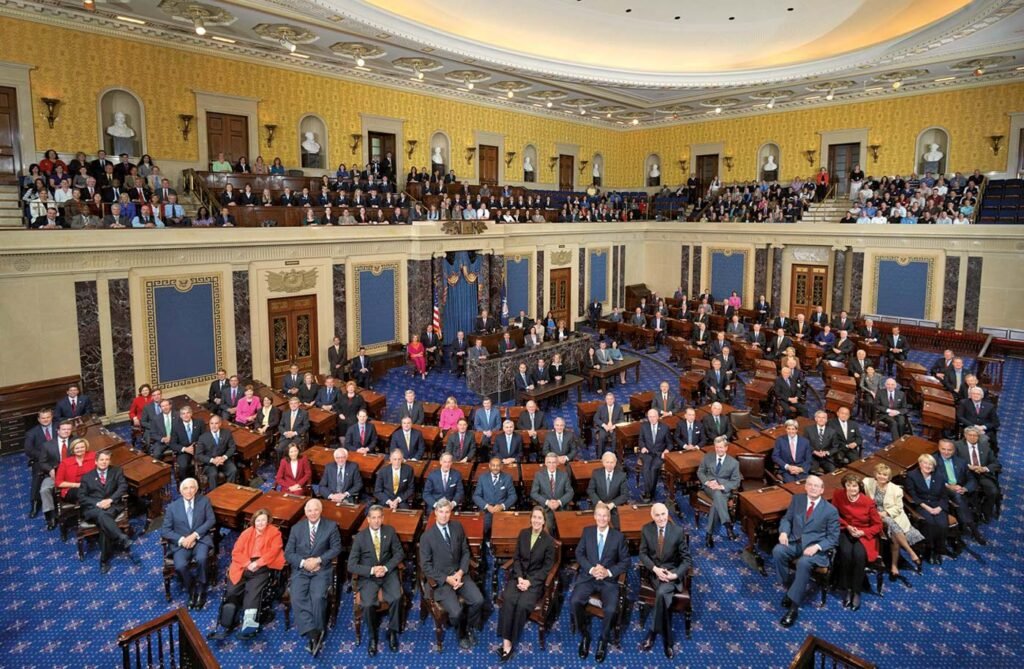
The direct election of United States Senators by popular vote has been a fixture of American governance for over a century. Many contemporary observers view this mechanism as essential to democratic representation. They believe it is a logical component that aligns with the nation’s constitutional framework.1 Before 1913, Senators were chosen by state legislatures to represent their states. This system may seem outdated today, but it was intentionally designed to maintain federal balance. This essay argues that the Seventeenth (17th) Amendment, intended to address perceived corruption and inefficiencies, instead centralized power in Washington, diminished state sovereignty, and undermined the federalist structure envisioned by the Founders. Far from a precise reform, it functioned as an overkill solution that exacerbated the very issues it sought to resolve.
What is the Seventeenth Amendment?
Originally, Article I, Section 3 of the Constitution stated: “The Senate of the United States shall be composed of two Senators from each State, chosen by the Legislature thereof, for six Years; and each Senator shall have one Vote.” This ensured Senators were accountable to state governments, reinforcing federalism.
The 17th Amendment changed that, declaring: “The Senate of the United States shall be composed of two Senators from each State, elected by the people thereof, for six years; and each Senator shall have one vote. The electors in each State shall have the qualifications requisite for electors of the most numerous branch of the State legislatures.” This shifted selection from legislatures to popular vote, aiming to democratize the process but altering the balance of power. So how did the American Republic end up with this Amendment?
America’s Founding: The Republic
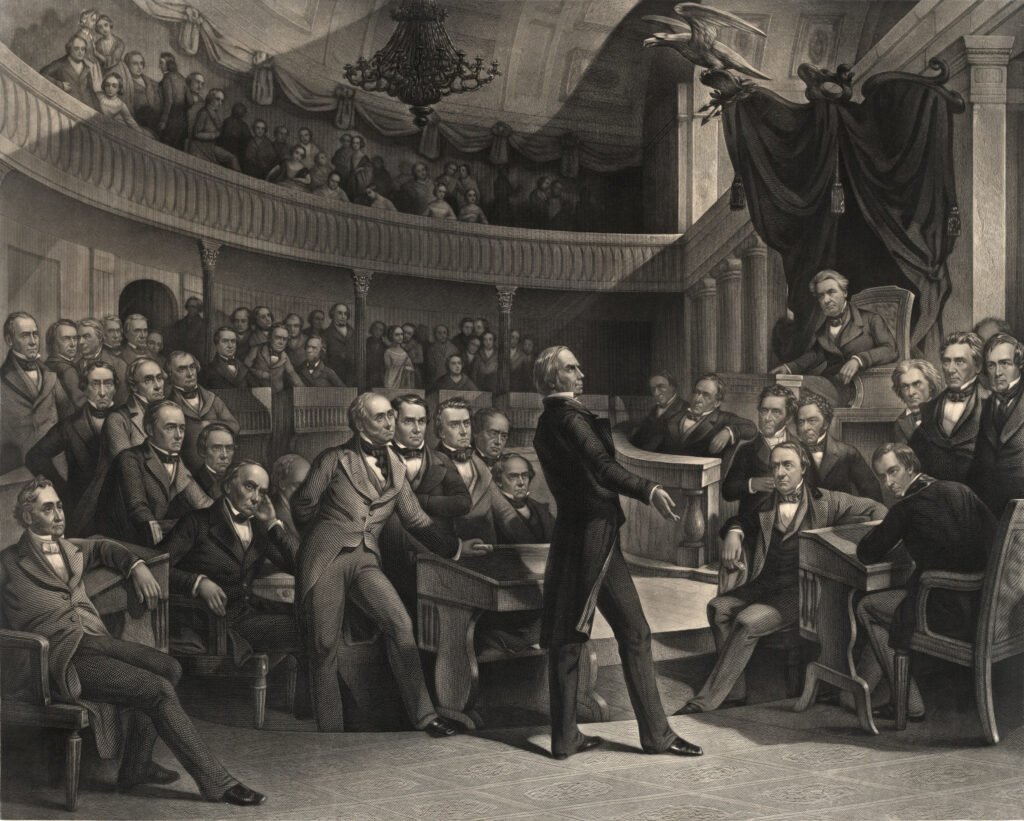
To understand the implications of the 17th Amendment, one must return to the Constitutional Convention of 1787, where the structure of Congress emerged from intense debate. The Convention teetered on collapse as smaller states feared domination by larger ones. The Great Compromise established a bicameral legislature. It created the House of Representatives, which is apportioned by population and directly elected by the people. Additionally, it formed the Senate, which provides equal representation for each state, with Senators chosen by state legislatures.2
This design ensured that the Senate served as the “great anchor” of federalism, providing states with a direct voice in federal legislation and safeguarding against encroachments on state powers.
James Madison and the Federalist Papers
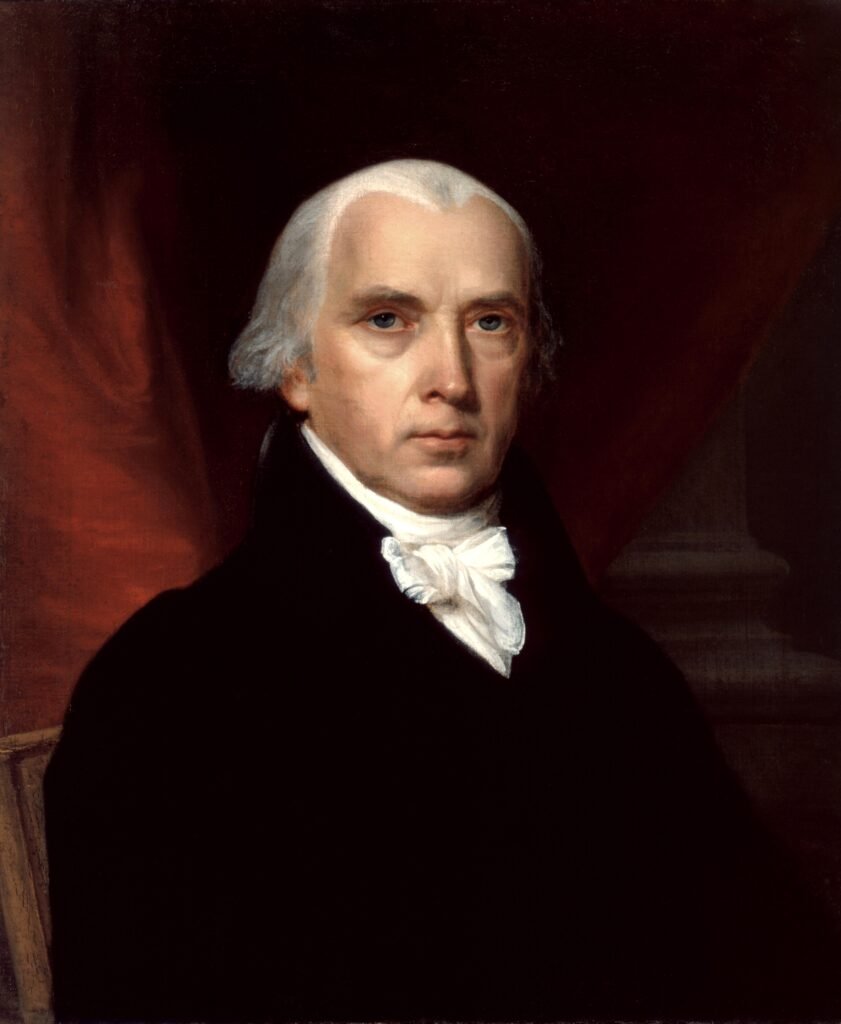
James Madison, in Federalist No. 62, defended this method of appointment. He argued that it offered “the double advantage of favoring a select appointment, and of giving to the State governments such an agency in the formation of the federal government as must secure the authority of the former, and may form a convenient link between the two systems.”3 In Federalist No. 63, Madison further elaborated, emphasizing the Senate’s role in blending “stability with liberty,” checking “popular passions” that might lead to regrettable measures, and acting as a “salutary check” on the House to prevent impulsive legislation.4
For over 120 years, this system functioned effectively, allowing states to use their Senators to block unfunded mandates, excessive federal laws, and power consolidation in the national capital.
Flaws in the Original System
Admittedly, the original system was not without flaws. For Instance, Scandals arose, such as bribery cases where affluent individuals influenced state legislators to secure Senate seats, exemplified by the 1905 Oregon scandal involving John Mitchell and the pervasive “millionaires’ club” perception.5 Deadlocks also occurred when partisan divisions in legislatures left seats vacant for extended periods, a problem that intensified in the early 1900s.6 However, these issues were remediable through targeted reforms, such as anti-bribery statutes or mandatory timelines, without discarding the federal architecture. States like Oregon experimented with innovations, including the “Oregon System,” where voter preferences guided legislative appointments.7
Despite these potential fixes, Progressive reformers advocated for direct popular election, contending it would enhance accountability and dismantle corrupt state machines. The movement gained traction during the Populist and Progressive eras, with over 30 states passing resolutions by 1910.8 Congress proposed the amendment in 1912, and it was ratified swiftly on April 8, 1913, when Connecticut became the 36th state to approve it.9
Contemporary Opponents and Proponents
Editorial Opponents
Contemporary opposition was vigorous and prescient. As early as January 1, 1911, The Macon Telegraph warned that the change would weaken constitutional checks and balances, arguing that “when Georgia no longer appoints the Senators, the State as a sovereign is no more” and that rich men could “more easily corrupt a popular vote than a Legislature.”10
On February 22, 1911, The Roanoke Times echoed this, questioning, “if the people can elect corrupt Legislatures, what is to prevent them from electing corrupt Senators?” and labeling the amendment a mere shift in corruption methods that would centralize federal power at states’ expense.11
Senate Debate and Quack Remedies
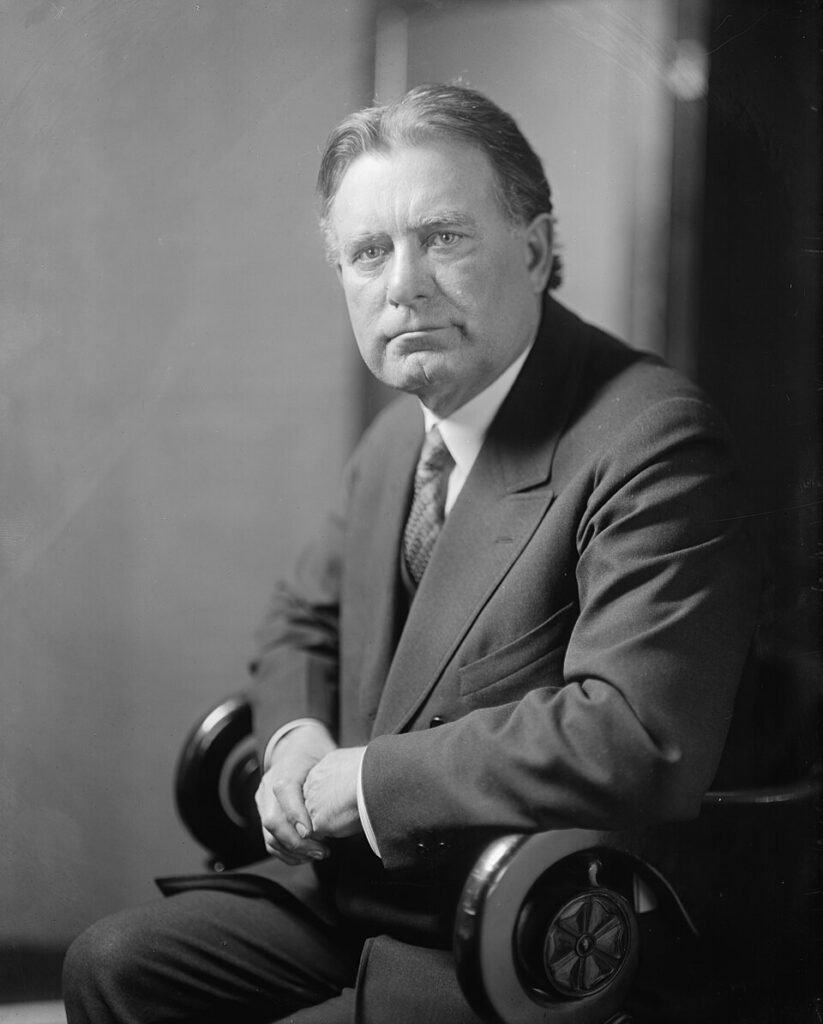
A May 24, 1911, report in The Macon Telegraph detailed Senate debates in which supporters, such as Senator William Borah, claimed it would grant people a “direct voice” without altering the Senate’s character. Still, opponents like Senator George Sutherland predicted it would change the government’s “federal character,” and Southern senators like John Sharp Williams and Joseph Bailey feared erosion of state control over elections.12
Two days after the Senate’s June 12, 1911, passage, The New York Times decried it as “one of the quack remedies… as cures for political ills, real or fancied,” that would neither solve corruption nor improve government, but instead lead to a “surrender of the federal principle,” eroding federalism by reducing states to mere geographical divisions.13
Contemporary Proponents
Woodrow Wilson, in a September 26, 1912, speech reported by the Natchez Democrat, supported the amendment as a means to “break the power of the special interests,” yet critics foresaw the opposite.14 On May 4, 1913, the Lexington Herald-Leader celebrated ratification as the end of legislative corruption. Still, The Macon Telegraph on April 10, 1913, lamented its “serious consequences to the Southern States.”1516 Records from the Senate debates in 1911 further illustrate this divide. Discussions documented in the Congressional Record highlight concerns about federal overreach. These conversations reflect the fears held by many regarding the expansion of federal authority.ederal overreach. These conversations reflect the fears held by many regarding the expansion of federal authority.17
The Seventeenth Amendment’s Fatal Flaw
The amendment’s fatal flaw lay in its unintended consequences. Before 1913, special interests had to lobby in various state capitals. After that year, they began to unify their efforts in Washington. This shift gave rise to the K Street lobbying complex. Senators became national fundraisers, detached from their home states. While the 17th Amendment is one of many factors eroding state power—alongside the 14th and 16th Amendments—it is often overlooked as a pivotal contributor to this shift, transforming states from equal partners to administrative units.
Many foresaw this: Senator Elihu Root warned direct election would “destroy the state governments as political entities,” and George Frisbie Hoar called it “the most radical change ever proposed.”18 Today’s issues—career politicians fundraising from out-of-state donors, a partisan Senate mirroring the House, unfunded mandates, and regulatory burdens—dwarf the old system’s flaws. Corruption persists, now through Super PACs and dark money.
Return Power to the States
Reinstating legislative appointments, with modern safeguards such as term limits or hybrid voter input, could restore the Senate as the states’ chamber, reinvigorating federalism without reverting to past excesses. Reflecting on this underscores the Founders’ emphasis on balanced power and state sovereignty. I served this country because I believe in the Constitution as it was written and debated by those who feared concentrated power above all else. The 17th Amendment disrupted one of its key checks, altering the republic the Founders envisioned.
Footnotes
- For a discussion of contemporary assumptions about Senate elections, see U.S. Senate Historical Office, “Direct Election of Senators,” senate.gov (accessed January 4, 2026) ↩︎
- Congressional Record, 62nd Congress, 1st Session, Vol. 47 (1911), pp. 192-234 (debates on H.J. Res. 39). ↩︎
- James Madison, Federalist No. 62, in The Federalist Papers (1788). ↩︎
- James Madison, Federalist No. 63, in The Federalist Papers (1788). ↩︎
- “The Seventeenth Amendment,” The Roanoke Times, February 22, 1911. ↩︎
- “Two Hours’ Debate Over Direct Vote,” The Macon Telegraph, May 24, 1911. ↩︎
- U.S. Archives, “17th Amendment to the U.S. Constitution: Direct Election of U.S. Senators,” archives.gov (accessed January 4, 2026). ↩︎
- Congressional Record, 62nd Congress, 1st Session, Vol. 47 (1911), p. 192. ↩︎
- “The Seventeenth Amendment,” Lexington Herald-Leader, May 4, 1913. ↩︎
- “The Popular Election of Senators,” The Macon Telegraph, January 1, 1911. ↩︎
- “The Seventeenth Amendment,” The Roanoke Times, February 22, 1911. ↩︎
- “Two Hours’ Debate Over Direct Vote,” The Macon Telegraph, May 24, 1911; Congressional Record, 62nd Congress, 1st Session, Vol. 47 (1911), pp. 2243-2250. ↩︎
- “Senators by Direct Vote,” The New York Times, June 14, 1911. ↩︎
- “Wilson Opposes Judicial Recall,” Natchez Democrat, September 26, 1912. ↩︎
- “The Seventeenth Amendment,” Lexington Herald-Leader, May 4, 1913. ↩︎
- “The Seventeenth Amendment,” The Macon Telegraph, April 10, 1913. ↩︎
- Congressional Record, 62nd Congress, 1st Session, Vol. 47 (1911), pp. 192-234, 2243-2250; U.S. Senate, “The Seventeenth Amendment to the Constitution,” senate.gov (accessed January 4, 2026). ↩︎
- Elihu Root, quoted in Congressional Record, 62nd Congress, 1st Session, Vol. 47 (1911), p. 192; George Frisbie Hoar, quoted in “Senators by Direct Vote,” The New York Times, June 14, 1911. ↩︎

Your work strikes a balance that few writers manage to achieve — it is both intellectually stimulating and emotionally resonant. There is a seamless flow from one idea to the next, and each paragraph is like a stepping stone leading the reader toward a deeper understanding of both the topic and the self. I feel as though I’ve gained not just knowledge, but a new way of seeing the world.
Thank you for the kind words!