
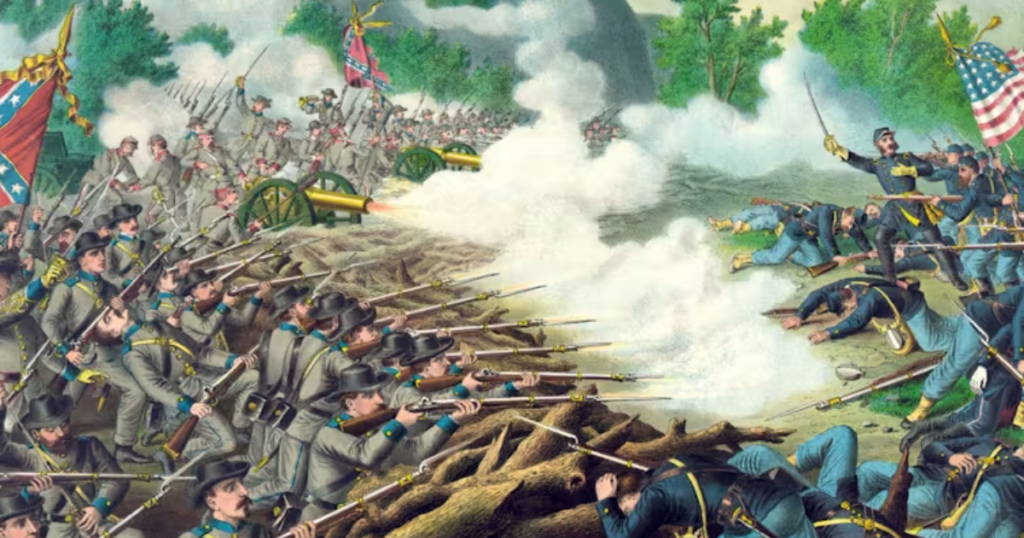
What caused the American Civil War, and why did the Southern states leave the Union? These are two of the most debated questions in American history. The standard view is that slavery was the sole cause. The North, led by an abolitionist president, Abraham Lincoln, sought to end the institution in the South, and the Southern states left to preserve it. This is far from the truth.
A little digging into the sources from the period shows Lincoln never desired to end slavery in the South, only to prevent its extension into the territories. The Republican platform Plank 4 stated they would not interfere with states’ rights to order their own domestic institutions, implicitly including slavery where it already existed, and condemned any idea of outside military intervention, whether in states or territories. Prominent Republicans and abolitionists, including Lincoln himself many times over, said the same. The last thing they wanted was for free blacks to be running around in their own states or in the territories. The radical abolitionist wing of the North despised slavery but, like Lincoln at the time, were far from wanting to see blacks marrying or working with whites, still less voting.
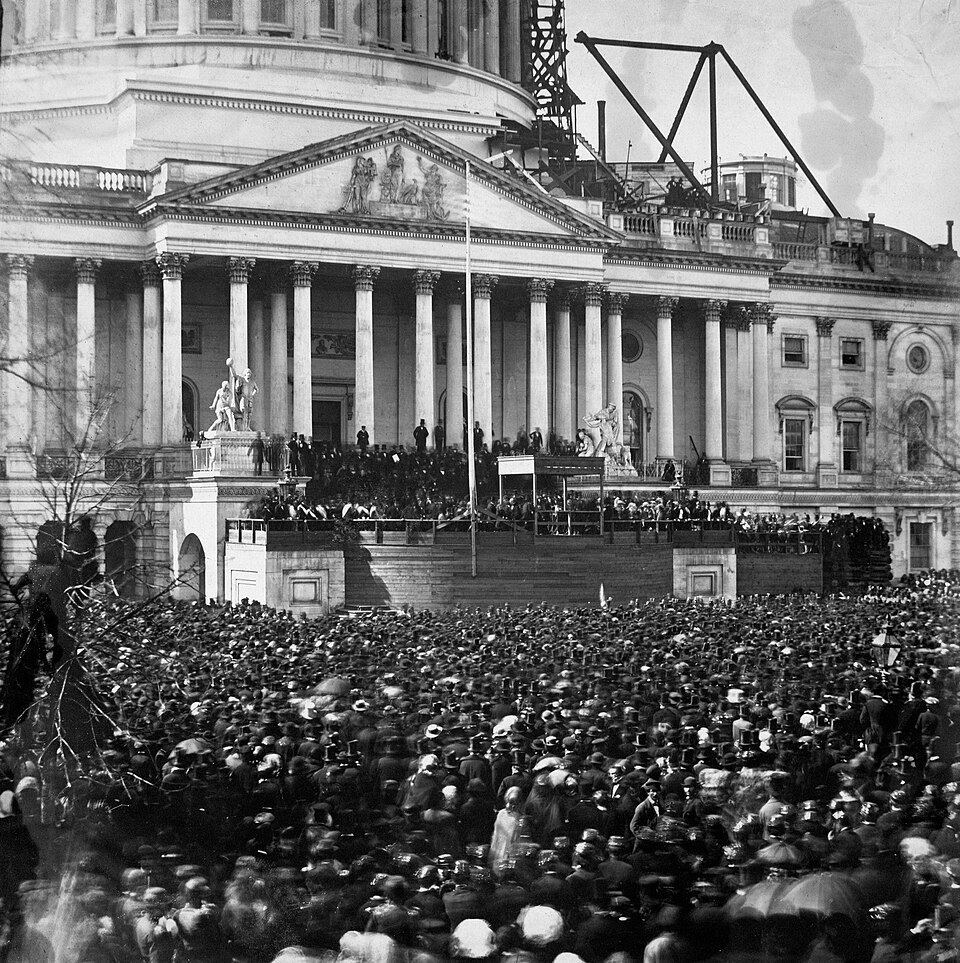
When the original Deep South states left the Union, the federal government quickly came under considerable fiscal strain and had to borrow money from various banks. The primary form of taxation at that time was through tariffs, which fell heavily on the cotton-producing Southern states, generating most of the revenue. This was why Lincoln could not allow the South to secede: his political agenda involved a massive expansion in taxation and government spending, meaning he could not countenance a massive reduction in federal revenues. So, when his primary income sources left, and his bankers and financial interest groups commanded him not to allow them to go, we were thrust into a war. Money was, in this case, the root of the war’s evils.
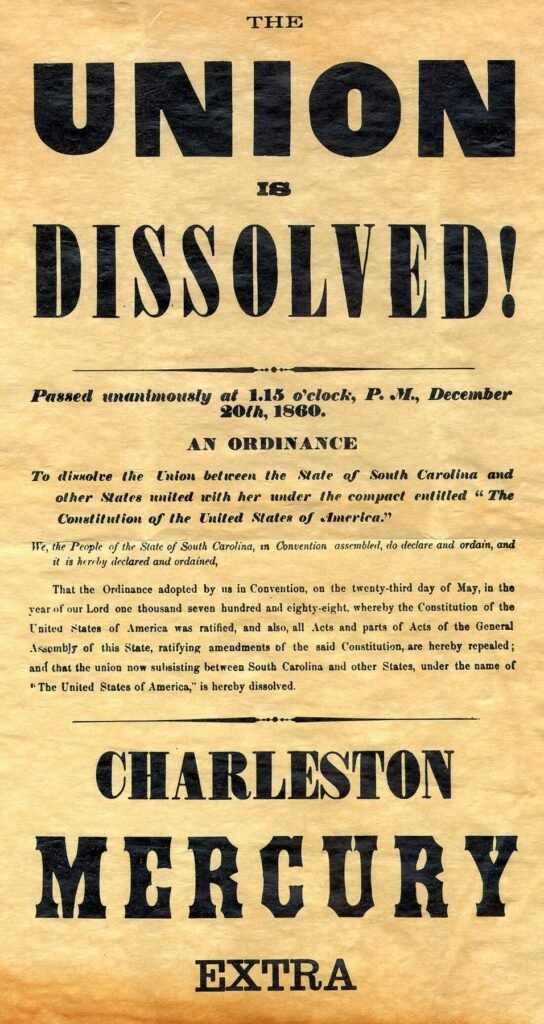
From the reverse perspective, tariffs were one of the major reasons the Deep South left the Union. As mentioned, they were burdened with generating more than their fair share of federal income, and the vast majority of their taxes went North, to benefit Northern industry and pay for internal improvements in Northern states and various governmental subsidies. This is clearly stated in various secession documents and speeches leading up to and during the actual breach, and is presented as a vital cause of these states deciding to leave the Union.
A half dozen or so other issues also played a role; among them was, indeed, slavery. But slavery could be split into several separate questions, only one of them centered on maintaining slavery itself (as stated, it was in no danger). But primary among the various strands of slavery as a cause was the maintenance of limited government.
Southerners, as well as many Northerners, had long maintained that limited government could only be preserved by adhering to a strict constructionist view of the Constitution, as a document of delegated powers from the states to the central government. The government cannot extend its powers past those limitations, of a few defined and delegated powers, without first amending the Constitution to allow it to do so. If the federal government were to succeed in expanding beyond its delegated authorities and gained a power or authority over the states that was not clearly expressed in the Constitution, no rights would be safe: the Constitution would then be of no value. The Union that delegated certain limited powers to the federal government, reserving all else to the individual states, would be destroyed. And finally, the government would become limitless in power.
For decades, virtually all the South and many in the North opposed any such actions, but there were those who desired undefined (and therefore limitless) central powers, such as the Republicans and Lincoln in 1860. One of those issues, but by no means the only one, was over slavery’s extension into the Western Territories.
The Republicans attempted to place sovereignty with the federal government, not the states, so that they could outlaw or abolish slavery in the Territories without delegated authority. The Southern platform of 1860 said it is up to those territories to decide if they want slavery, not to the federal government, since it has no delegated authority to do so. Southern pro-slavery “fire-eaters” such as William Yancey were great “defenders” of slavery. What often goes unnoticed is that he also admitted that slavery would never extend West. The soil and climate and the resulting agriculture were not suited to it, and the people would never vote for it. Meaning that he, and many other pro-slavery advocates, admitted and knew slavery would not expand, so whyever would they have fought for the existence of something they knew would never occur?
They did so for the principle of the matter, the idea of a limited government, and because of their opposition to handing over undefined powers to central authorities, leading inevitably to the authoritarianism we endure today.
Finally, what is rarely taught is that the Upper South left the Union for separate reasons from those of the Deep South. Originally, the leaders and people of the Upper South rejected secession, spoke harshly of its leaders and their reasons for leaving, and voted down secession by wide margins. An enormous wave of Union patriotism swept through these states as they held even closer to the Union. Men who would become leaders, generals, governors, and major politicians in the future Confederacy condemned the secessionists for disloyalty and worse.
But they also warned President Lincoln not to coerce those Southern states into remaining in the Union, because the foundation of all good government was the consent of the governed. And that no matter why a state chose to leave a union of consent, they had every right to do so, to coerce them would be tyrannical and turn the United States into a military despotism that would repudiate the founders and the Declaration of Independence. So when Lincoln ignored them and called on those states to send volunteers to subdue the Deep South, they were enraged. Those who were once overwhelmingly Unionist became secessionists, not because they agreed with the Deep South’s original decision, but because they could no longer maintain their honor and remain in a union of forced obedience while helping Lincoln wage war on the God-given principle of self-rule.
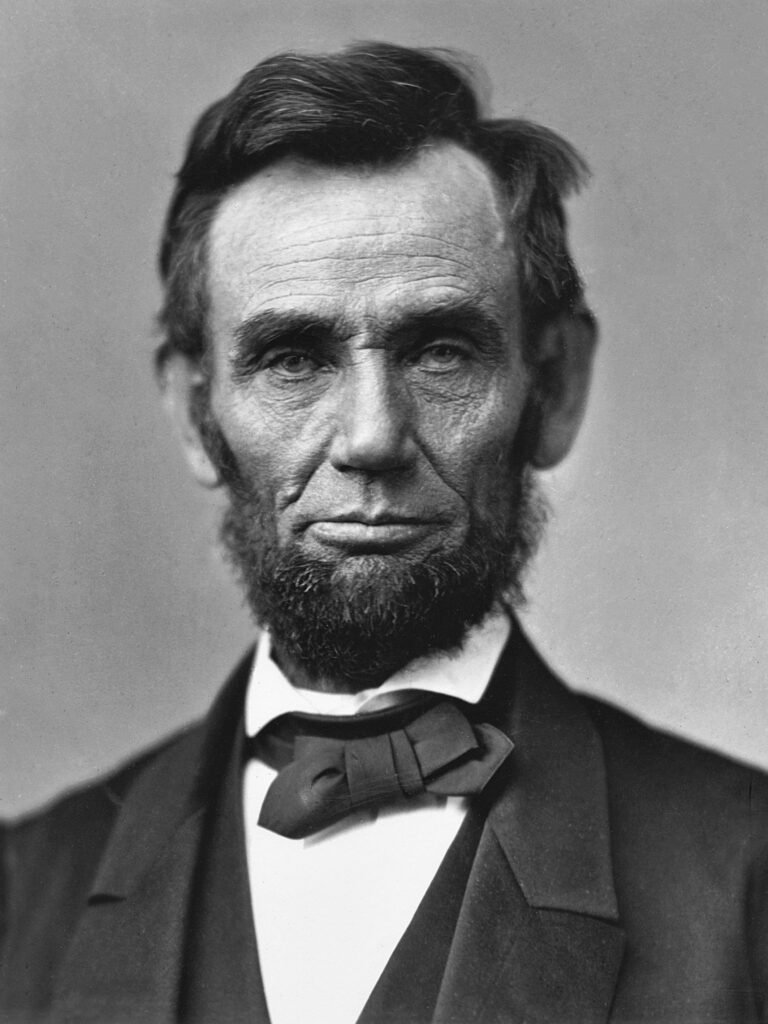
Lincoln’s call for volunteers was the single most fatal event in destroying self-government, the consent of the governed, and liberty in America. The Upper South found out that Lincoln was indeed the devouring dragon the Deep South had warned them about. And we still live in Lincoln’s America, where we are subservient to our government, rather than the government existing for our own benefit. The South fought to preserve liberty, but Lincoln to destroy it.
About the Author
Jeb Smith is an author, speaker, and historian who has written five books, including Missing Monarchy: Correcting Misconceptions About The Middle Ages, and Defending Dixie’s Land: What Every American Should Know About The South And The Civil War, written under the pen name Isaac C. Bishop.
For more on Jeb Smith, you can view his work here: https://authorjebsmith.com/
