
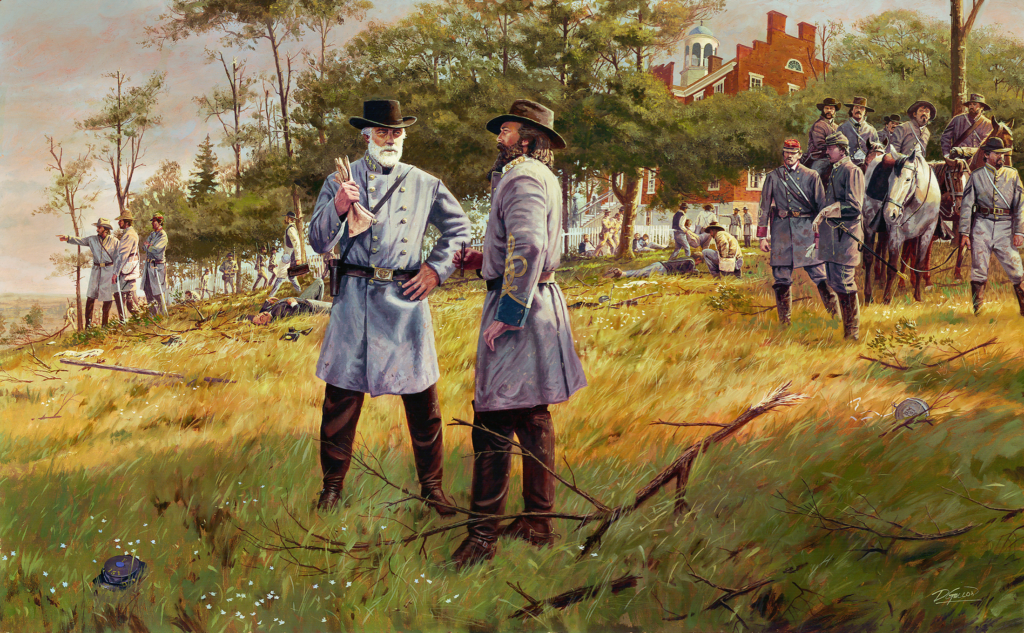
The Confederacy produced some of the finest generals in all of American history. The brilliance of Robert E. Lee and Stonewall Jackson is indisputable. But even with all that talent, they fought with a massive resource disadvantage against the North. Here is my personal ranking of the Top 10 Greatest Confederate Generals of the Civil War. To watch my detailed video on this topic, watch it here.
10. Albert Sidney Johnston
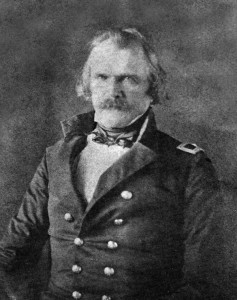
Commander of the Western Theater, Albert Sidney Johnston had the rare distinction of fighting for three different armies—the Republic of Texas, the U.S. Army, and the Confederacy. He saw combat in the Texas Indian Wars, the Mexican-American War, and the Civil War. Jefferson Davis called him “the finest general officer in the Confederacy” and gave him full general rank and command of the entire Western Theater—covering Tennessee, Kentucky, Arkansas, and Missouri. With only about 40,000 men he had to defend a vast frontier against overwhelming Union numbers.
He suffered painful early losses, especially the fall of Forts Henry and Donelson, but he was preparing a bold counterstroke when he launched the surprise attack at Shiloh in April 1862. Tragically, he was killed on the first day—shot in the leg while personally leading from the front. Davis later wrote that “the shot that struck him was the most fatal of the war.” Many historians believe the Confederacy lost its best chance in the West when that single bullet took him. He simply ran out of time to show the genius Davis always saw in him.
Johnston ranks as one of the two greatest “what ifs” among Confederate generals—second only to Stonewall Jackson. There is simply no telling how the war in the West might have unfolded had he survived Shiloh.
9. P.G.T. Beauregard
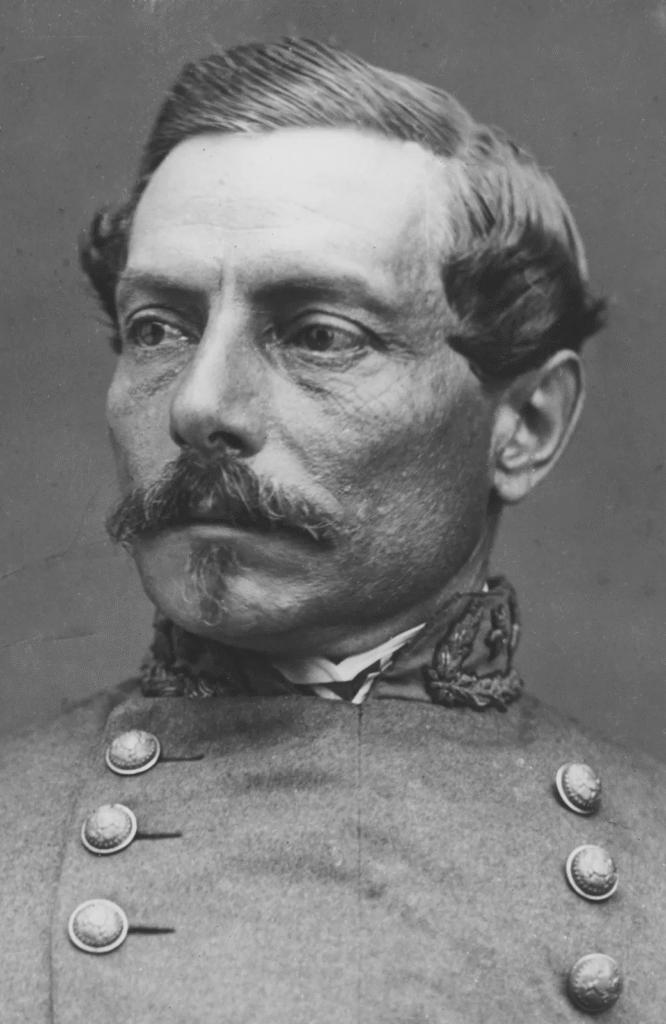
Pierre Gustave Toutant Beauregard—better known as P.G.T. Beauregard or “The Little Napoleon”—made his mark on the very first day of the war. On April 12, 1861, he commanded the Confederate batteries that opened fire on Fort Sumter in Charleston Harbor—the shots heard round the world that started the Civil War. Three months later he co-commanded the South’s first major victory at the First Battle of Bull Run.
As a West Point-trained engineer, Beauregard possessed an almost instinctive gift for fortification and artillery placement that few Confederate generals could match. He designed the intricate network of batteries and earthworks that kept Charleston Harbor closed to the Union for years, held the city against repeated assaults in 1863, and later threw up the formidable defensive lines around Petersburg that turned a few thousand men into an immovable wall. With just 2,500 men and a handful of guns he stopped a 16,000-man Union army cold in June 1864, saving Petersburg—and with it Richmond—and buying the Confederacy another nine months of life.
Unfortunately, Beauregard never saw eye to eye with President Jefferson Davis. Their clashes bordered on insubordination and cost him bigger commands. It’s one of the great “what ifs” of the war—what this brilliant tactician might have accomplished with more trust from Richmond.
8. A.P. Hill
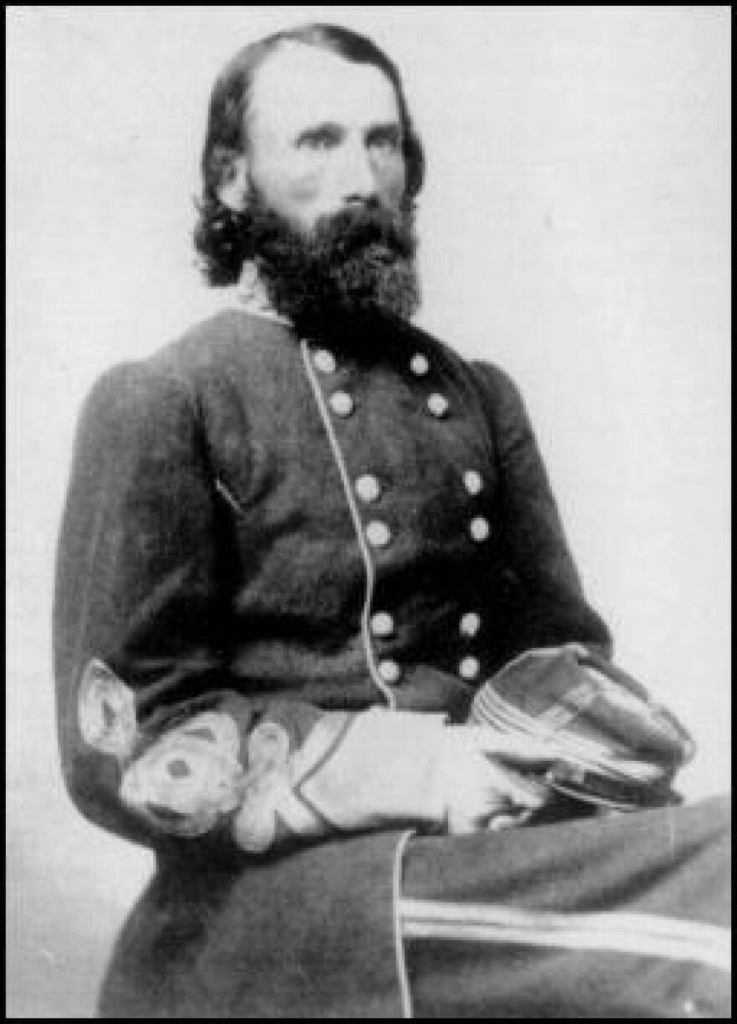
When Stonewall Jackson was mortally wounded at Chancellorsville, A.P. Hill had to step into some of the biggest shoes in the army. He had already proven himself as commander of the famous “Light Division”—fast-marching, hard-hitting troops that became Lee’s fire brigade. Hill saw action in nearly every major battle of the Army of Northern Virginia from First Bull Run all the way to Petersburg.
His crowning achievement came at Antietam on September 17, 1862. Left behind to guard prisoners at Harpers Ferry, Hill force-marched his division 17 miles in record time and slammed into Burnside’s corps just as it was about to crush Lee’s right flank. That counterattack saved the Army of Northern Virginia from disaster. Lee himself said Hill’s men arrived “just in time.”
Hill was one of the finest division commanders among Confederate generals—aggressive, reliable, and almost always in the right place at the right time. At corps level, however, reconnaissance failures and recurring health problems sometimes limited his effectiveness. Still, when Lee needed a fighter who would get there fast and hit hard, “Little Powell” almost always delivered.
7. J.E.B. Stuart
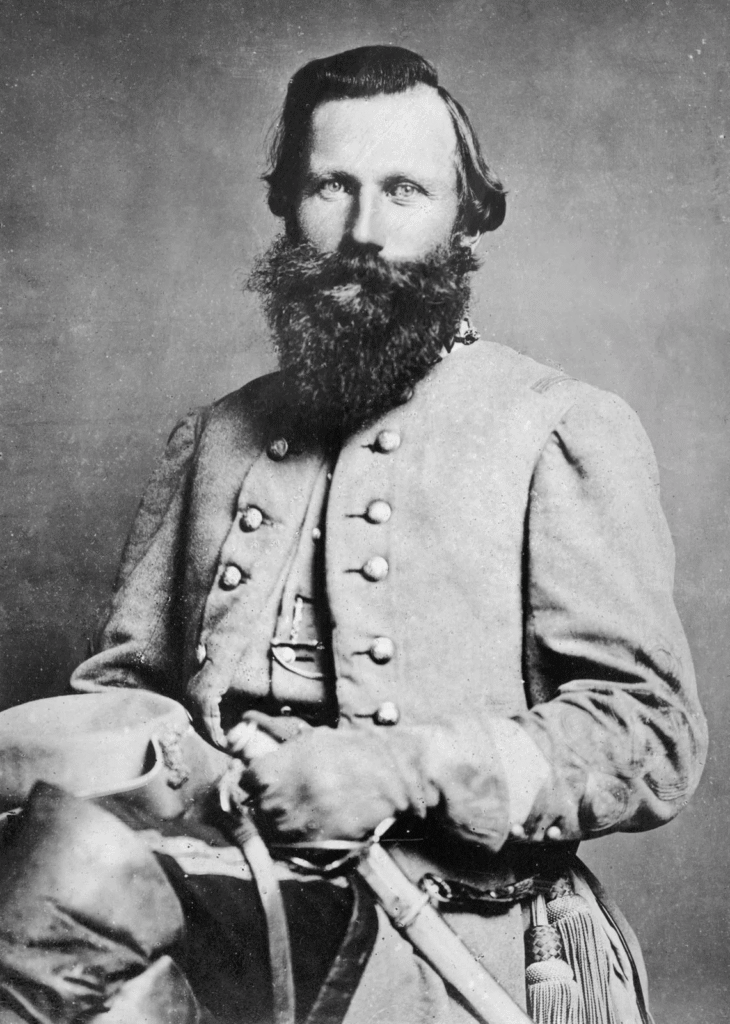
The Confederacy’s premier cavalryman and Lee’s “eyes and ears,” J.E.B. Stuart was a master of reconnaissance, lightning raids, and using cavalry to support offensive operations. He’d been with the army since Bull Run and performed brilliantly in the Peninsula Campaign rides and at Chancellorsville.
Stuart’s daring ride completely around McClellan’s army during the Peninsula Campaign remains one of the war’s most legendary cavalry feats—covering more than a hundred miles in three days, seizing supplies, and delivering priceless intelligence that helped Lee drive the Union back from Richmond. That same combination of boldness and skill made him one of the most indispensable Confederate generals and the Confederacy’s most reliable scout and raider until Gettysburg.
We have to mention Brandy Station on June 9, 1863—the largest cavalry battle of the entire war, with over 20,000 horsemen clashing in one of the most spectacular mounted fights in American history. But his one major blemish is the Gettysburg Campaign itself. Stuart took his cavalry on a wide raid around the Union army and lost contact with Lee for critical days. When he finally rejoined on July 2, it was too late. Lee had been fighting blind, and many believe that absence contributed to the Confederate defeat. It remains one of the war’s biggest “what ifs.”
Stuart was killed a year later at the Battle of Yellow Tavern during Sheridan’s raid on Richmond. The flamboyant cavalier with the plumed hat went down fighting—the end of an era for Confederate cavalry.
6. Patrick Cleburne
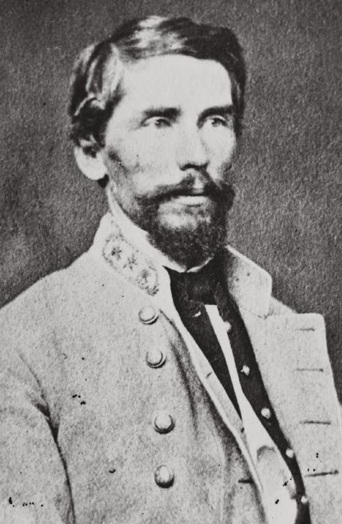
An Irish immigrant who settled in Arkansas, Patrick Cleburne could have sat out the war. But when it came, he refused to fight against the people who had taken him in and made him one of their own. He became one of the very best generals in the Western Theater—maybe the best, period.
Despite never attending a military academy, Cleburne’s iron discipline and natural tactical genius turned ordinary Arkansas volunteers into one of the hardest-hitting divisions in the entire Western Theater. His men would follow him anywhere, and he repaid that loyalty by always leading from the front.
He fought at Shiloh, was wounded at Richmond, Kentucky, then shone at Stones River, Chickamauga, Chattanooga, and the Atlanta Campaign. His most spectacular moment came at Chickamauga on September 19, 1863, where his division launched a fierce night attack that helped shatter the Union right and set up the Confederate breakthrough the next day. He was also the man behind the heroic stand at Ringgold Gap that saved Bragg’s army from total destruction after the disaster at Missionary Ridge.
Cleburne was tragically killed at the Battle of Franklin on November 30, 1864. Leading from the front on foot after his horse was shot, he drove straight into the fortified Union lines and was cut down just yards from the works. He died a hero’s death—one of six Confederate generals lost that terrible day. Lee called him “a meteor shining through a clouded sky.”
5. Wade Hampton III
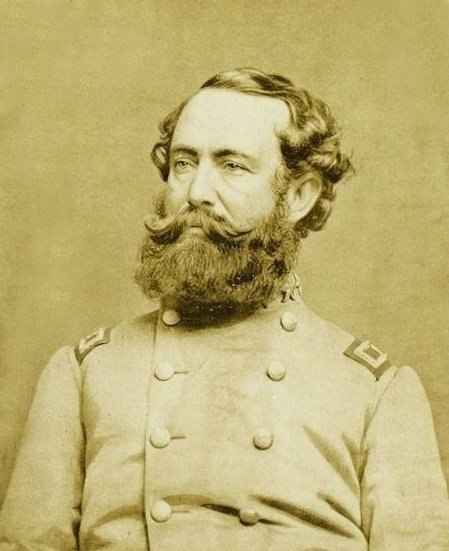
The South Carolina native was one of the few non-West Point officers to reach lieutenant general. No prior military experience, yet he became one of the greatest Confederate generals and one of the Confederacy’s greatest cavalry commanders.
Hampton’s immense personal wealth allowed him to raise, equip, and maintain Hampton’s Legion entirely at his own expense, but it was his raw courage and cool leadership under fire that truly set him apart. Even after suffering saber cuts and a gunshot wound at Gettysburg that left him nearly crippled, he refused to quit and returned to the saddle stronger than ever.
After Stuart’s death, Hampton took over the cavalry. His two biggest highlights: the smashing victory at Trevilian Station in June 1864, where he stopped Sheridan cold, and the famous “Beefsteak Raid” in September 1864. He led 3,000 troopers deep behind Union lines, captured over 2,400 head of cattle, and brought them back to feed Lee’s starving army. It was one of the most daring raids of the war.
Hampton never lost a major cavalry battle once he was in independent command. Tough, brave, and steady—he was exactly the leader the cavalry needed in the war’s final years.
4. James Longstreet
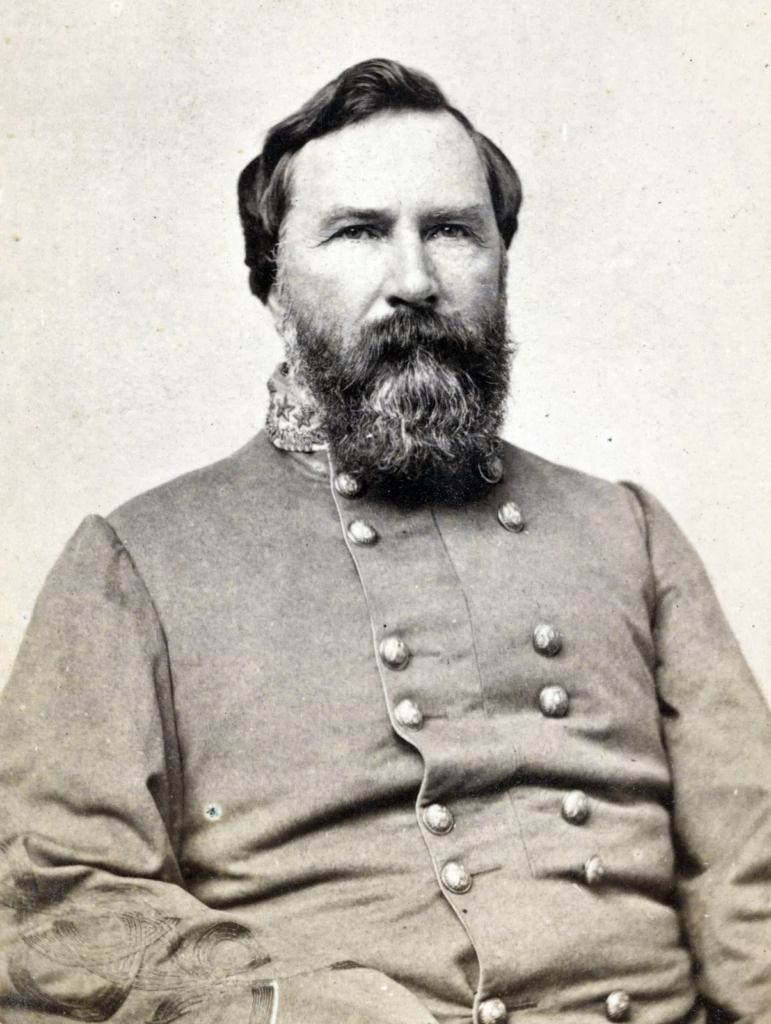
Lieutenant General James Longstreet, Lee’s other right-hand man and one of the most capable Confederate generals, takes a lot of flak for Gettysburg—where he’s often blamed for stalling the attack—and for his postwar career, where he joined the Republican Party, supported Ulysses S. Grant, and even worked in federal government jobs. But his performance in other battles is undeniable.
Civil War Career
A Mexican-American War veteran, Longstreet was with the Confederacy from the very beginning. He played a minor role at First Manassas, then fought at Seven Pines and the Seven Days Battles around Richmond. His breakout moment came at Second Bull Run in August 1862, where he launched a massive flank attack with 28,000 men that rolled up the Union army and helped secure one of the Confederacy’s clearest victories.
He also shone at Antietam, holding the line under horrific pressure, and at Fredericksburg, where his corps turned Marye’s Heights into a slaughter pen—Union casualties there reached nearly 8,000 in a single afternoon. In 1864 he nearly crushed the Union line at the Wilderness—only to be wounded by his own men in a tragic echo of Jackson’s fate.
Lee actually sent him west in September 1863 with two divisions to reinforce Bragg. At Chickamauga, Longstreet’s corps delivered the crushing flank attack on September 20 that broke the Union army and gave the Confederacy its biggest victory in the Western Theater. He later led an independent campaign against Knoxville, though that one ended in stalemate.
His One Blemish
His one real blemish is Gettysburg. On July 2 his attack was supposed to go off in the morning but didn’t launch until late afternoon—around 4 p.m.—after delays getting his full force up and marching on a hidden route. Historians still debate how much was his fault versus Lee’s vague orders.
Given more men and resources, there’s no telling what Longstreet could have accomplished. He stayed loyal to the end and surrendered with Lee at Appomattox.
3. Nathan Bedford Forrest
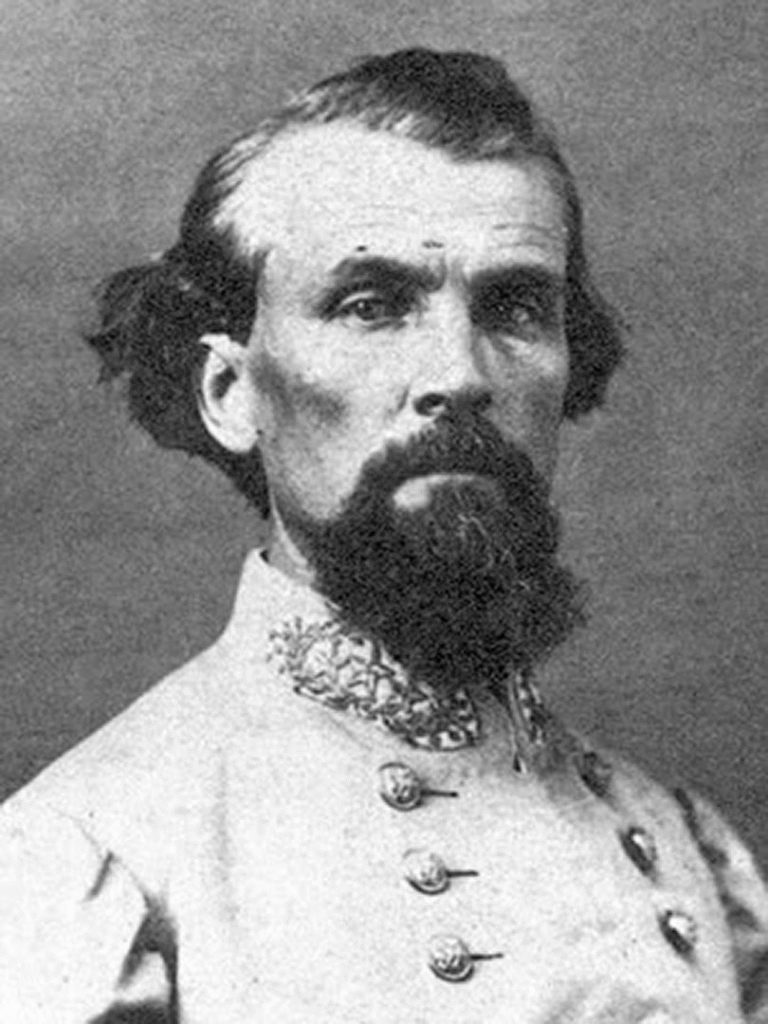
One of the most dashing Confederate generals of the war, Lieutenant General Nathan Bedford Forrest is noted for his aggressive cavalry tactics and his meteoric rise through the ranks—from private all the way to lieutenant general with no previous military experience whatsoever. Before the war he had amassed serious wealth as a horse and cattle trader, real-estate broker, and plantation owner. When war broke out, he enlisted as a private, then raised and equipped his own battalion at his own expense.
His performance in the early Western Theater battles earned him promotion to brigadier general on July 21, 1862. He distinguished himself by escaping Fort Donelson with most of his men rather than surrendering with the rest of the garrison. Forrest was later given command of a cavalry corps in the Army of Tennessee in May 1863.
His follow-on campaigns read like a greatest-hits album: raids that wrecked Union supply lines, the bloody fight at Fort Pillow, and constant harassment of Sherman’s forces. But his most brilliant performance came at Brice’s Crossroads in June 1864. Outnumbered two-to-one, Forrest used speed, terrain, and deception to smash a larger Union force, capturing artillery, wagons, and over 1,600 prisoners in one of the most lopsided cavalry victories of the war.
After facing overwhelming odds in the West and defeat at the Battle of Selma, Forrest read his farewell address to his men on May 9, 1865. He was one of the more controversial figures of the war, but his battlefield record and raw performance are undeniable. He was simply one of the top generals the Confederacy produced.
2. Thomas “Stonewall” Jackson
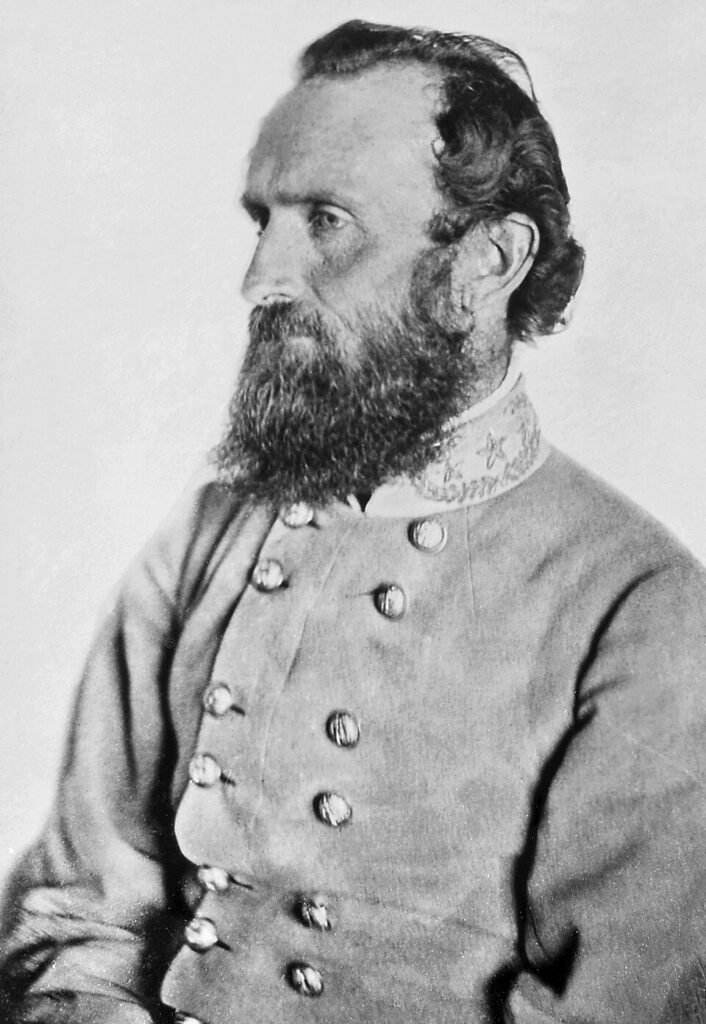
Lee’s right-hand man, Thomas “Stonewall” Jackson served in the United States Army during the Mexican-American War, distinguishing himself at Chapultepec. After the war he taught at the Virginia Military Institute. As a Citadel graduate, I won’t hold that against him too much. You could arguably put Jackson at the top of the list for greatest Confederate Generals. It is a solid argument and I considered it.
Civil War Career
When Virginia seceded, Jackson joined the Confederate States Army. He made his name immediately at the First Battle of Manassas. When his brigade stood firm against a Union assault, South Carolina General Barnard Bee famously shouted, “There stands Jackson like a stone wall!”—and the nickname was born.
In the spring of 1862, Jackson led his famous Shenandoah Valley Campaign—one of the greatest military campaigns in history. With only about 17,000 men he marched 650 miles in 48 days, won five major battles, used speed and deception to keep three separate Union armies off balance, and prevented them from reinforcing McClellan on the Peninsula. Those actions alone would have earned him a spot in the top ten.
While his performance in the rest of the Peninsula Campaign is sometimes called “poor,” the men had just marched hundreds of miles and fought five battles—they were exhausted. At Second Bull Run he held the famous railroad cut and drew the Union attacks onto his line so Longstreet could deliver the killing blow. At Antietam he anchored the Confederate left under savage pressure, and at Fredericksburg his corps helped turn the town into a meat grinder.
Death of Jackson
Then in May 1863 came his finest hour—at Chancellorsville. Jackson took 28,000 men on a secret 12-mile flank march through the Wilderness and smashed the Union right flank in one of the most audacious attacks of the war. Unfortunately, that night while riding back through his own lines, he was accidentally shot by his own pickets. He lost his left arm to amputation and died of pneumonia on May 10, 1863. It was probably the single biggest loss the Confederacy ever suffered. If Jackson had lived, who knows—could they have won Gettysburg… and maybe even the war?
1. Robert E. Lee
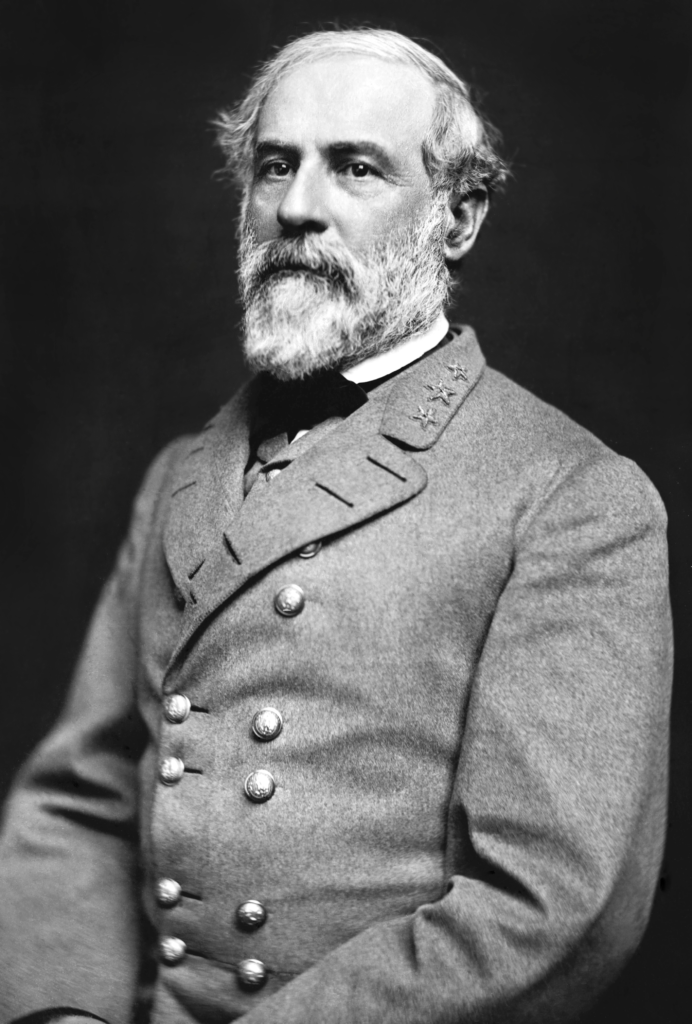
And now, number one: Robert E. Lee, one of the finest generals in all of history, not just American history.
Military Career
Lee graduated from West Point in 1829, second in his class, and supposedly never earned a single demerit. He served as a military engineer and saw heavy action in the Mexican-American War, distinguishing himself as one of Winfield Scott’s aides during the march from Veracruz to Mexico City. He also famously led U.S. Marines to put down John Brown’s raid at Harpers Ferry.
When war broke out, Lee was offered command of the entire Union Army. But he could not fight against Virginia. On June 1, 1862, he was given command of the Army of Northern Virginia. He immediately turned the war around in the Peninsula Campaign, driving McClellan back from the gates of Richmond in the Seven Days Battles.
Lee was masterful in the campaigns of 1862. At Second Manassas, he again used speed and deception to outmaneuver a larger Union army. When Lee invaded the North, he fought one of the bloodiest single-day battles in American history at Antietam and held his ground against overwhelming odds. At Fredericksburg his defensive positions made the Rappahannock a killing ground.
1863 Campaigns
In 1863 the Battle of Chancellorsville stands as one of the greatest military victories in all of history. Outnumbered more than two-to-one, Lee split his army not once but twice and, with Jackson’s help, delivered a stunning defeat to Hooker.
In June 1863 Lee decided to invade the North. Virginia was being devastated by constant fighting, and he needed to take the war to the Yankees, live off their land, and maybe force a political settlement. In July he lost at Gettysburg. He is often criticized for his decisions there—especially Pickett’s Charge on Day 3, when roughly 12,500 men crossed an open field against a fortified Union position. I offer a different take: Lee knew the South could not win a long war of attrition. The Confederacy was being strangled by the blockade and manpower shortages. He needed a knockout blow on Northern soil to threaten Washington and end the war quickly.
The Overland Campaign and Appomattox
In 1864 Lee performed brilliantly during the Overland Campaign, fighting Grant to a bloody stalemate at the Wilderness, Spotsylvania, and Cold Harbor. But those battles ground down the Confederacy. They simply could not match the North’s resources.
On April 9, 1865, Lee surrendered his army at Appomattox. In the years that followed he became one of the most revered figures in American history—beloved by North and South alike.
Conclusion
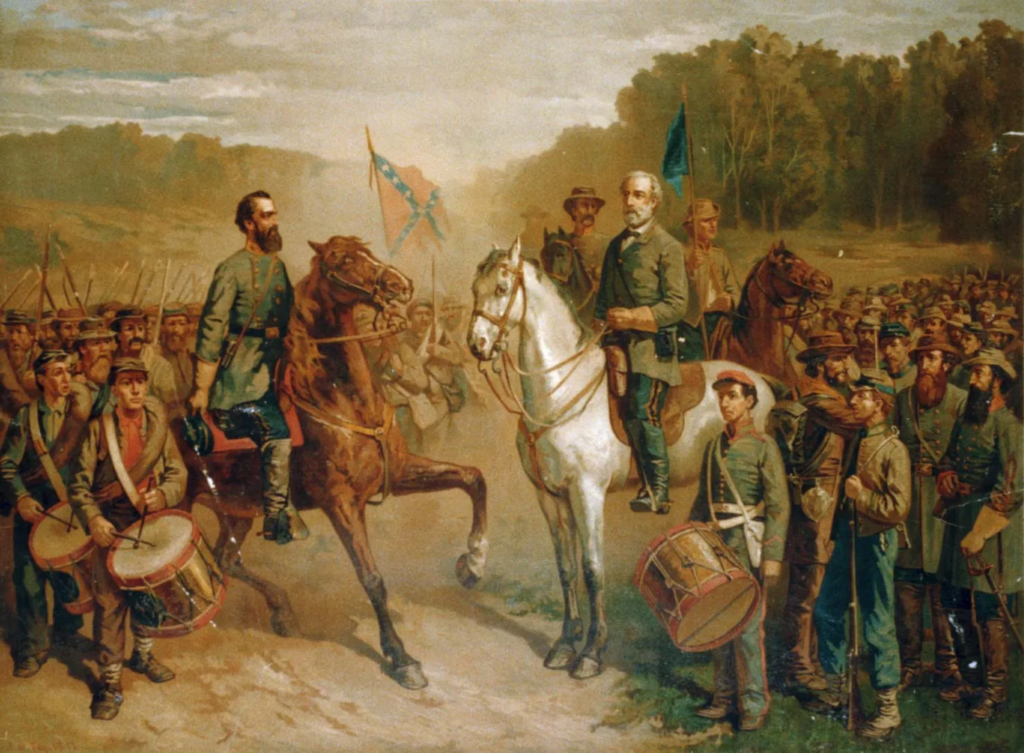
Reproduction of the classic painting showing Lee and Jackson’s final conference on the evening of May 1, 1863, at Chancellorsville
So there you have it—my Top 10 Greatest Confederate Generals of the Civil War. Which ones do you think I got wrong? Who would you swap in or out? Share your thoughts in the comments below. If you enjoyed this piece, consider subscribing to Manifest History for more deep dives into the history that forged America.
About the Author
Ryan Sahlberg is a retired Marine Corps Infantry Officer. Ryan graduated from The Citadel in 2003 with a B.A. in history. He has written several articles and created multiple videos on various topics, including the American Civil War.

I would pick Richard Taylor, over Albert Sidney Johnson, just because he was killed so early in the war. But he was the Right General to have in Command at Shiloh. I had several Ancestors in the Confederate Army
Wow, I’d love to hear about your ancestors. Honestly, after I wrote this, I regretted not having Richard Taylor in it. And I do agree with you, Johnston could have been great if not killed. It’s really hard picking the top ten and weighing it out. I try to do it objectively as possible, but obviously, there is going to be subjectivity.